Growing cannabis starts with one simple yet crucial choice — the type of seed you plant. As more growers shift towards sustainable and clean cultivation practices, the debate between organic cannabis seeds and conventional seeds has become more important than ever. Understanding their differences can help you decide which is best suited for your growing goals, environment, and ethical values.
In this guide, we’ll explore how organic and conventional cannabis seeds differ, their pros and cons, and how they impact your final harvest.
What Are Organic Cannabis Seeds?
Organic cannabis seeds come from plants grown using natural and sustainable farming methods. These plants are cultivated without synthetic fertilizers, pesticides, or genetically modified organisms (GMOs). The soil used for growing them is enriched with organic matter like compost, worm castings, and other natural amendments.
To qualify as organic, the seeds must be produced under strict organic certification standards. This ensures the entire seed production process—from soil to harvest—follows eco-friendly practices.
What Are Conventional Cannabis Seeds?
Conventional cannabis seeds are produced using traditional agricultural methods that may involve the use of synthetic fertilizers, pesticides, or chemical growth boosters. While these methods can improve yield and resistance to pests, they often prioritize productivity over sustainability.
Conventional seeds are not necessarily poor-quality, but they may come from parent plants treated with chemicals or grown in less environmentally conscious conditions.
Key Differences Between Organic and Conventional Cannabis Seeds
To understand which option is better for your grow, it’s helpful to look at how these seed types differ in several key areas.
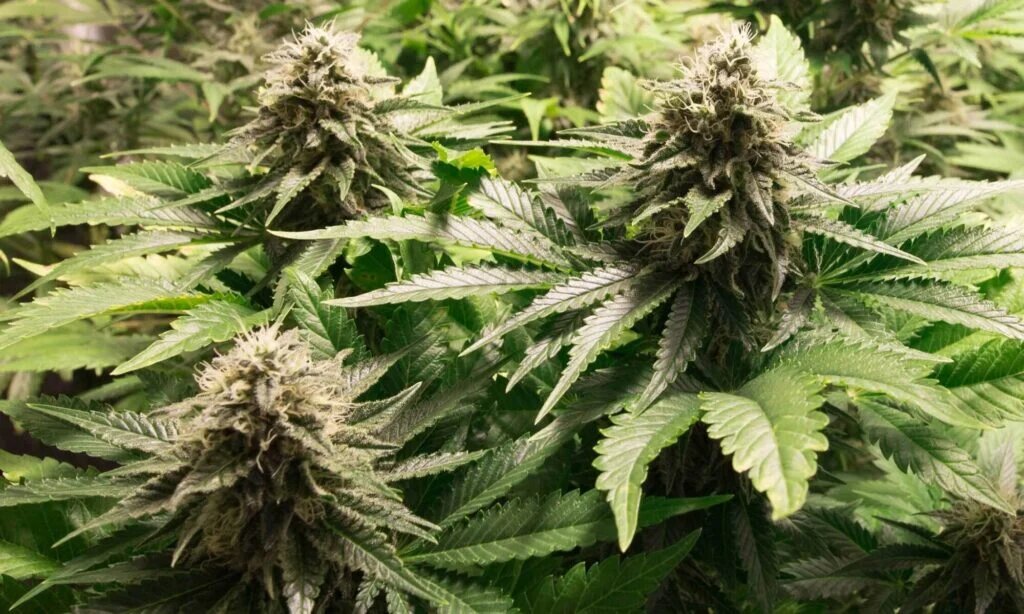
1. Cultivation Methods
Organic cannabis seeds are grown in living soil ecosystems that promote biodiversity and soil health. Growers use compost teas, natural pest control, and crop rotation techniques to nurture strong, resilient plants.
Conventional seeds, on the other hand, are often produced in controlled environments where chemical fertilizers and pesticides manage growth and pest resistance. While this can lead to consistent results, it may compromise soil quality and long-term sustainability.
2. Seed Quality and Genetic Stability
Organic seeds tend to have stronger natural resistance to pests, diseases, and environmental stress because they are bred in natural conditions. Their genetics often focus on adaptability and long-term stability.
Conventional seeds may sometimes show faster initial growth and higher yields due to selective breeding with chemical aids. However, this can also result in plants that rely on fertilizers or specific growing conditions to thrive.
3. Environmental Impact
Organic farming practices aim to regenerate the soil and minimize harm to ecosystems. By avoiding synthetic chemicals, organic growers help preserve water quality, protect pollinators, and reduce greenhouse gas emissions.
Conventional farming can contribute to soil degradation and chemical runoff, which impacts surrounding environments. For growers concerned with eco-responsibility, this difference can be a deciding factor.
Benefits of Organic Cannabis Seeds
Choosing organic cannabis seeds offers several unique advantages, especially for growers who prioritize sustainability and plant health.
Healthier Soil and Plants
Organic seeds come from plants nurtured in soil rich with beneficial microbes and natural nutrients. This not only improves the health of future crops but also helps the plants develop stronger root systems and richer terpene profiles.
Chemical-Free Cannabis
If you’re growing for personal use or medical purposes, avoiding synthetic residues is crucial. Organic seeds ensure your cannabis remains pure and chemical-free from start to finish, providing a cleaner and safer product.
Better Flavor and Aroma
Many growers claim that organically grown cannabis has a richer aroma and more complex flavor. This is because natural soil nutrients help enhance terpene production, leading to a more potent and aromatic final product.
Sustainable Growing Practices
Using organic cannabis seeds supports an eco-friendly growing cycle. It encourages sustainable farming, reduces pollution, and helps maintain biodiversity in the growing environment.
Advantages of Conventional Cannabis Seeds
While organic growing offers many benefits, conventional cannabis seeds also have their strengths, particularly for commercial or large-scale growers.
Higher Yield Potential
Conventional seeds are often bred for productivity, meaning they can produce higher yields in controlled environments. For growers focused on volume, this can be a major advantage.
Consistency and Predictability
Conventional seeds tend to produce more uniform plants. This consistency helps commercial growers achieve predictable results in terms of growth rate, size, and harvest time.
Easier Availability and Lower Cost
Organic cannabis seeds can be harder to find and usually cost more due to limited production and certification standards. Conventional seeds, being more common, are widely available and often more affordable.
Which Type Should You Choose for Your Grow?
The best choice between organic and conventional cannabis seeds depends on your priorities, growing setup, and long-term goals.
For Home and Medical Growers
If you’re cultivating for personal or medicinal use, organic cannabis seeds are ideal. They ensure a clean, chemical-free product that aligns with health-conscious growing practices. Even if yields are slightly lower, the quality, aroma, and overall purity make up for it.
For Commercial or Large-Scale Growers
If your focus is maximizing yield and efficiency, conventional seeds might be more practical. They are easier to source, perform reliably under various conditions, and often have stable genetics optimized for commercial production.
For Eco-Conscious Growers
If sustainability and environmental responsibility are important to you, organic seeds are the clear winner. They contribute to long-term soil health, biodiversity, and ecological balance.
Tips for Choosing the Right Cannabis Seeds
No matter which type you choose, the success of your grow depends on selecting quality seeds from reputable breeders.
1. Check Seed Source
Always buy from trusted suppliers who provide detailed information about seed origin, genetics, and cultivation methods.
2. Match Seeds to Your Growing Environment
Consider your climate, grow setup (indoor or outdoor), and soil type before purchasing. Some organic strains perform better in living soil, while conventional ones thrive in hydroponic systems.
3. Look for Strain-Specific Traits
Focus on strains that align with your goals—whether it’s higher CBD content, faster flowering, or stronger pest resistance.
Future of Organic Cannabis Seeds
As consumer demand for clean and sustainable cannabis grows, the future of organic cannabis seeds looks promising. More breeders are investing in organic seed production, focusing on genetics that thrive without chemical support.
This trend aligns with the broader global shift toward sustainable agriculture, where transparency, purity, and environmental responsibility are becoming essential values in cultivation.
Read Also: The Impact of Climate Change on Cannabis Cultivation: What Growers Need to Know
Final Thoughts
The choice between organic and conventional cannabis seeds ultimately depends on your growing philosophy. If you value natural purity, environmental health, and complex flavors, organic seeds are worth the investment. If you’re after higher yields and consistent results with minimal risk, conventional seeds may suit your needs better.
In the end, both have their place in the world of cannabis cultivation. The key is understanding your goals and growing responsibly—because every great harvest begins with the right seed.